
The holiday season is a time of joy and celebration. However, it can also bring hidden dangers for our beloved pets. Many common holiday plants are toxic to pets, posing risks to their health. As a busy professional, you want to ensure your furry friends are safe and happy. Understanding which plants to avoid is crucial for a pet-friendly home. Let’s explore how to keep your pets safe from toxic holiday plants.
Why Holiday Plants Can Be a Hidden Danger for Pets
Holiday plants often adorn our homes, creating warmth and festive cheer. However, they may pose hidden risks to our pets. Many pet owners may not realize that these decorative plants can be harmful if ingested.
Pets are naturally curious and prone to exploring their environment. This curiosity can lead them to nibble on or chew plants, putting them at risk. Ingesting toxic plants can cause serious health issues.
To keep your pets safe, you should be aware of the potential dangers. Here’s why these plants are concerning:
- Pets are attracted to bright colors and scents.
- Some plant parts contain compounds harmful to pets.
- Symptoms can range from mild to severe illness.
Top Toxic Holiday Plants to Watch Out For
During the holidays, certain plants become household staples. While they add beauty, they also bring risks to our furry friends. Some common holiday plants can be highly toxic to pets if consumed.
Understanding the potential dangers of these plants is crucial for pet owners. Awareness and preventative measures can safeguard your pets during the festive season. Let’s explore which plants require caution.
Poinsettias
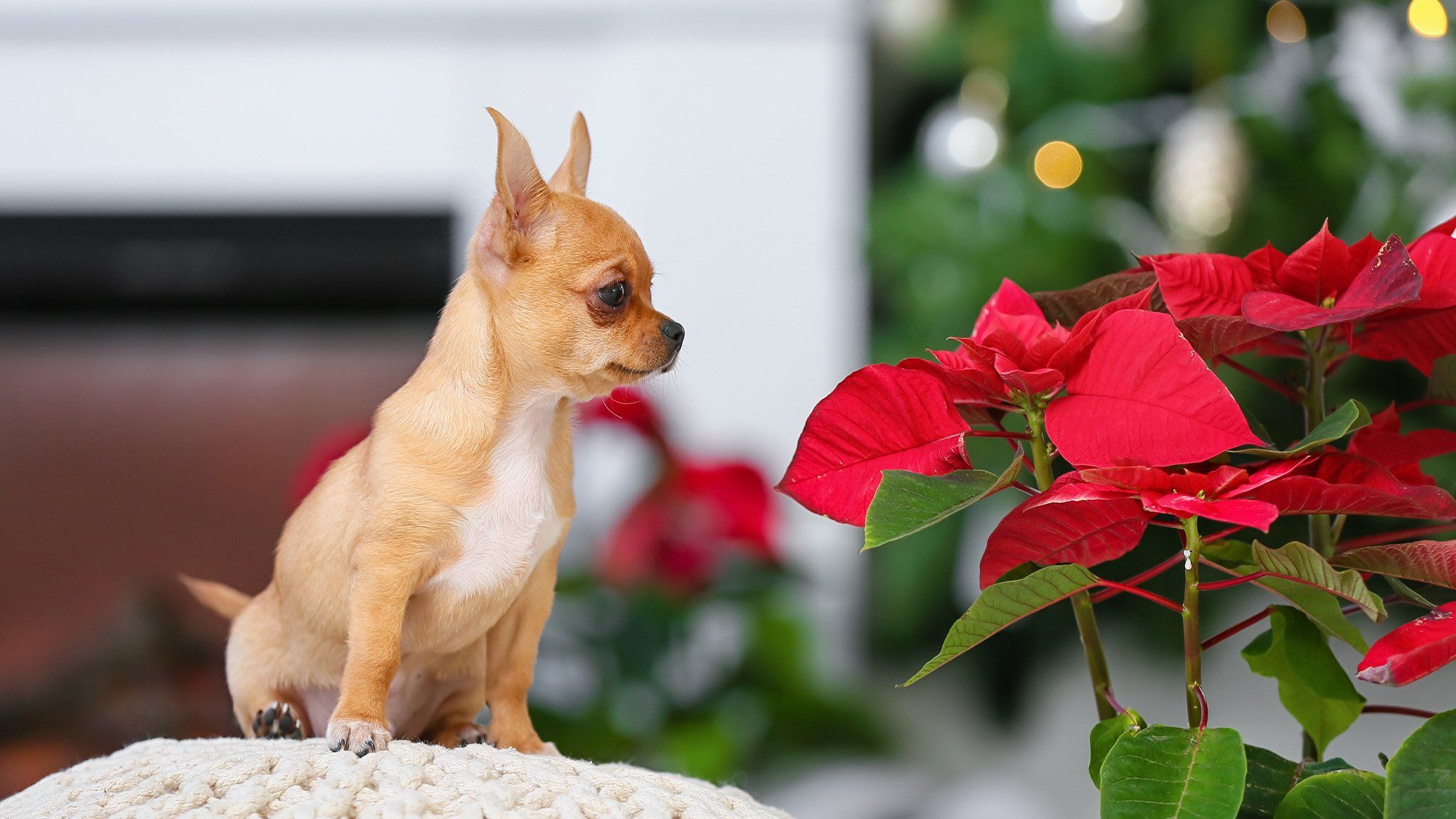
Poinsettias are synonymous with holiday decor, with their vibrant red leaves brightening many homes. While not highly toxic, they can still cause mild irritation. If your pet ingests poinsettia leaves, expect symptoms like drooling or mild vomiting.
The sap of the plant might cause skin irritation, too. Keep poinsettias out of reach to minimize risks. Always monitor your pet’s behavior around these popular holiday plants.
Mistletoe
Mistletoe, a symbol of holiday romance, can pose serious health threats to pets. Ingesting mistletoe may lead to digestive upset, such as vomiting and diarrhea. Severe cases might result in cardiovascular issues.
It’s wise to hang mistletoe high and securely. Alternatively, consider using artificial versions to eliminate risk. Always be cautious when decorating with mistletoe around curious pets.
Holly
Holly is often used in wreaths and centerpieces, with its glossy leaves and bright berries adding charm. However, it is toxic to pets. Ingesting holly can cause vomiting, diarrhea, and excessive drooling.
Some pets experience significant discomfort, prompting rapid intervention. Keep holly out of reach, and consider alternatives for pet-safe decorating. Regularly monitor plants for signs of pet interference.
Lilies
Lilies are particularly dangerous for cats, posing a risk of acute kidney failure. Even a small quantity can be lethal. Dogs might experience less severe reactions, such as stomach upset.
Keeping lilies out of households with cats is paramount. Instead, consider safer floral options. Educate family members about the risks associated with lilies to avoid accidental exposure.
Amaryllis
Amaryllis plants, known for their large, stunning flowers, can cause serious harm if ingested by pets. Symptoms include vomiting, diarrhea, and abdominal pain. The bulb is especially dangerous.
To prevent issues, position amaryllis plants where pets cannot access them. Opting for artificial alternatives can offer peace of mind. Always supervise pets in areas where amaryllis is present.
Christmas Trees and Other Seasonal Greens
While not inherently toxic, Christmas trees still pose hazards. Sharp needles can irritate mouths, and stagnant water may contain harmful additives. Other greens, like pine or cedar, can also cause minor issues if chewed.
Ensure your tree is securely anchored to prevent toppling. Use barriers to restrict pet access to tree water. Check decorations regularly to ensure they remain pet-safe throughout the season.
Symptoms of Plant Toxicity in Pets
Detecting plant toxicity in pets requires vigilance. Symptoms may vary depending on the plant consumed and the quantity ingested.
Common signs to watch for include:
- Vomiting or diarrhea
- Lethargy or weakness
- Excessive drooling
If you notice these symptoms, act promptly. Every second counts when ensuring your pet’s well-being during the holiday season. Monitoring your pet’s behavior and knowing the signs can help ensure their safety.
What to Do If Your Pet Eats a Toxic Plant
Quick action is crucial if your pet consumes a toxic plant. Remain calm and assess the situation carefully.
Contact your veterinarian immediately for guidance. Having essential information ready can expedite help.
Provide:
- The name of the plant
- Estimated amount consumed
- Description of symptoms
If advised by a vet, bring the plant sample to the clinic. Swift intervention can significantly improve outcomes, ensuring your pet’s safety and peace of mind during holidays.
Safer Alternatives: Pet-Friendly Plants for the Holidays
For a safe yet festive home, consider pet-friendly plants. They allow you to enjoy the holiday spirit without worry.
Try decorating with:
- Christmas cactus
- Rosemary
- Boston fern
These options are not only non-toxic but also add greenery to your space. Opt for such alternatives, and your furry friends can safely explore without tempting dangers. Celebrate holidays with peace of mind while keeping your plants and pets harmonious.
Tips for Keeping Pets Safe Around Holiday Plants
Keeping pets safe during holidays involves a few key steps. Awareness and proactivity are essential.
Consider the following strategies:
- Place plants on high shelves.
- Use pet-safe deterrent sprays.
- Create a plant-free zone for pets.
Ensure everyone in the home knows the risks. By focusing on simple precautions, you can enjoy a festive and safe environment for all. This ensures a joyous holiday for both you and your pets.
Final Thoughts: Creating a Pet-Safe Holiday Home
Creating a pet-safe holiday home ensures peace of mind. You’ll know your pets are secure and happy during festivities. By making small adjustments, you can prevent pet hazards.
Remember, being informed and cautious are key. With thoughtful planning, you can enjoy celebrations without worry. Celebrate the holidays with confidence, knowing you’ve made your home a safe haven for your furry family members. Their safety should always be a top priority.
