
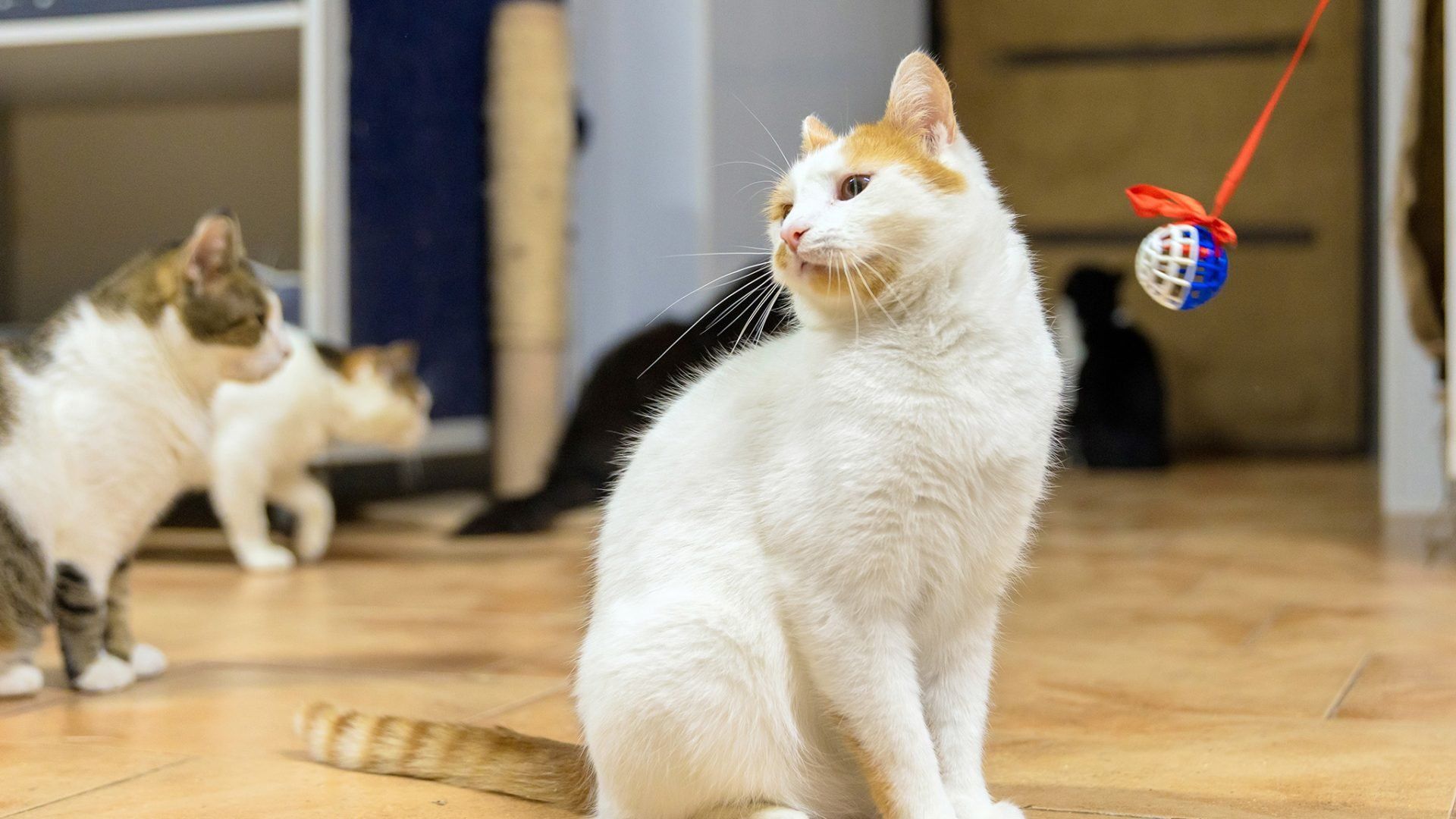
Living with multiple cats can be wonderful. There are twice the purrs, more personality than you thought one home could hold, and a near-constant rotation of someone occupying the exact chair you planned to use.
There can also be tension.
One cat may guard the hallway. Another may suddenly decide that every food bowl belongs to them. A third may prefer peace and quiet while the youngest member of the household is busy turning the living room into a racetrack.
The good news is that cats do not need to be best friends to live happily together. Some bonded cats may nap in a pile and groom each other. Others may settle into a more respectful roommate arrangement. Both can be perfectly healthy.
The goal is not to force friendship. It is to create a home where every cat has enough space, resources, and security to feel comfortable.
Give Every Cat Access to the Essentials
Many disagreements in a multi-cat household stem from competition over resources.
Food, water, litter boxes, scratching areas, resting spots, and access to attention can all become sources of tension when cats feel they have to compete.
Even when cats appear to share without a problem, one may be quietly waiting for another to leave before approaching the food bowl or litter box. That kind of subtle pressure can be easy to miss.
Providing multiple options helps reduce competition. Place food and water in multiple locations, especially if one cat tends to hover or eat quickly. Give cats access to several resting areas rather than expecting everyone to share the same bed, tower, or sunny window.
The idea is simple. Each cat should be able to meet their basic needs without having to pass, challenge, or negotiate with another cat.
Rethink the Litter Box Setup
The litter box can become a surprisingly complicated piece of household politics.
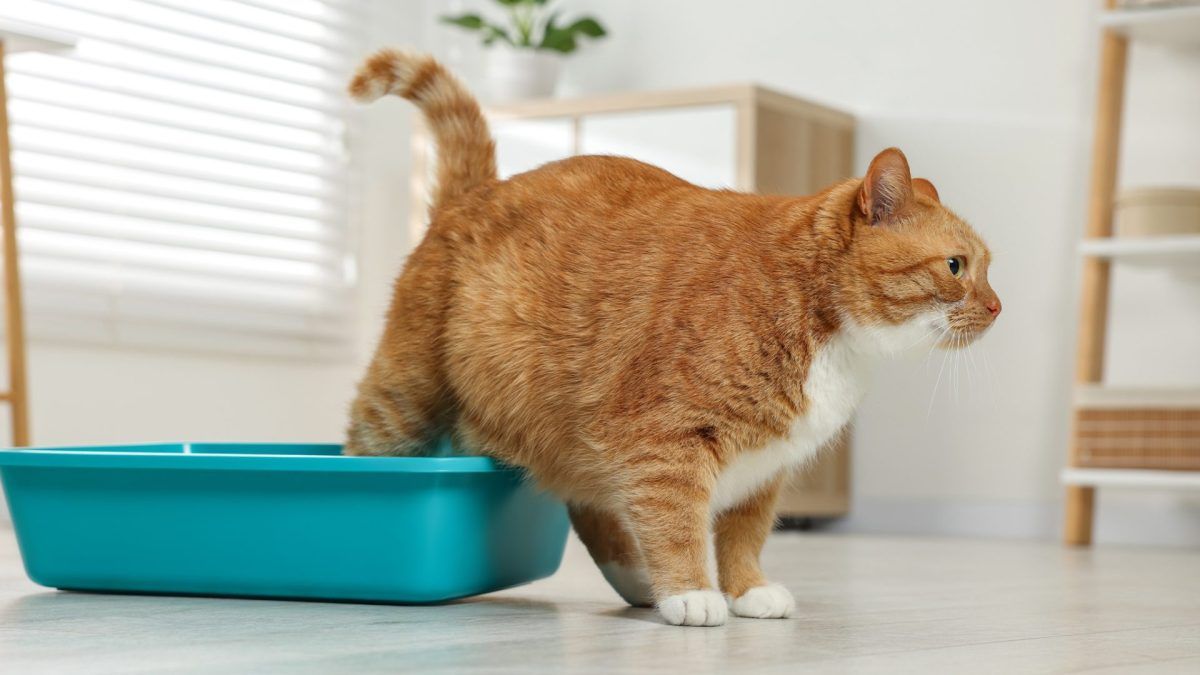
A commonly used guideline is one litter box per cat, plus one additional box. The setup matters just as much as the number, though. Five boxes lined up together may still feel like one shared bathroom from a cat’s perspective.
Spread boxes throughout the home when space allows. Try to place them in areas where a cat can see their surroundings and leave without being blocked by another pet.
This can take some creativity in a Chicago apartment or condo. You may not have endless spare rooms, but even separating boxes between a bathroom, hallway nook, laundry area, or quiet bedroom can give cats more choices.
Keep an eye out for one cat waiting outside the box, chasing another after they leave, or controlling access to a particular area. Those small interactions may be signs that the setup needs adjusting.
Make Better Use of Vertical Space
When floor space is limited, think upward.
Cats naturally use height to observe their surroundings, take a break, and create distance from other animals. Cat trees, window perches, sturdy shelving, and the tops of appropriate furniture can all expand the usable space inside your home.
Vertical space is especially helpful when cats have different social styles.
One cat may want to be in the middle of everything. Another may prefer watching from above before deciding whether to participate. Giving both cats suitable options allows them to share a room without constantly sharing the same physical space.
A high perch can also give a shy cat a sense of control. They can observe household activity without feeling cornered or forced into an interaction.
Create Quiet Places to Retreat
Every cat needs somewhere they can disappear for a while.
That does not mean they are unhappy. Cats often rest best in tucked-away spaces where they feel protected from noise, activity, and unsolicited kitten wrestling.
Covered beds, open closets, boxes, quiet bedrooms, and spaces beneath furniture can all serve as retreats. The best option depends on the cat.
Try not to disturb cats in these spaces unless necessary. A hiding spot works because the cat trusts that they can go there and be left alone.
This becomes particularly important in a busy household or a smaller city home. Cats may share most of the same rooms, but each should still have a place where they can take a break from the group.
Learn the Difference Between Play and Tension
Cat play can look dramatic.
There may be chasing, wrestling, pouncing, and the occasional sound that makes you stop what you are doing and investigate. Healthy play is usually balanced. Cats take turns chasing, their bodies remain relatively loose, and both cats willingly return to the interaction.
Tension tends to look different.
Watch for prolonged staring, blocking doorways, guarding resources, repeated chasing by only one cat, flattened ears, growling, hiding, or one cat consistently trying to escape.
Not every disagreement is an emergency. Cats may hiss or swat to set a boundary, particularly when one has ignored several more polite requests to back off.
The bigger concern is an ongoing pattern in which one cat cannot move comfortably through the home or access what they need.
Give Each Cat Individual Attention
Group play is great when everyone enjoys it, but cats also benefit from individual attention.
One cat may love fast-paced play with a wand toy. Another may prefer brushing, gentle petting, or quietly sitting beside you. A third may be happiest when everyone stops looking at them altogether.
Making time for each cat helps ensure that quieter personalities do not get overlooked.
It can also reduce competition for your attention. A confident cat may naturally insert themselves into every interaction, while a more reserved cat waits for a calmer moment. Separate play or affection time gives that quieter cat a chance to connect without being interrupted.
You do not need to create an elaborate schedule. Even a few focused minutes with each cat can make a meaningful difference.
Keep Daily Routines Predictable
Cats tend to appreciate knowing how their day works.
Meals happen around a familiar time. The litter boxes are cleaned regularly. Play and quiet time follow a recognizable rhythm. Predictability helps cats feel secure, especially when they are sharing their environment with several other personalities.
This does not mean every day needs to run with military precision. It simply means the general pattern should feel dependable.
Routine becomes even more important during changes such as travel, moving, home renovations, or introducing a new pet. When something unfamiliar is happening, familiar meals, spaces, and caregivers can help keep the rest of life feeling steady.
Introduce New Cats Slowly
Adding a new cat to the household is not the time to rely on everyone figuring it out over dinner.
A gradual introduction gives cats time to become familiar with one another’s scent and presence before sharing space directly. The process may include separate rooms, scent swapping, feeding on opposite sides of a closed door, and short supervised interactions.
The timeline will vary. Some cats become curious quickly. Others need much more time.
Moving too fast can create fear and tension that becomes harder to undo later. It is better to take an extra week than to create a stressful first impression because everyone seemed calm for fifteen minutes.
Pay attention to the cats in front of you rather than following a fixed deadline.
Prepare Carefully When You Travel
Multi-cat homes require detailed care instructions when everyone is left in the capable paws of a pet sitter.
Your sitter should know which cat eats which food, who tends to steal meals, where each cat usually hides, and what normal behavior looks like for each individual pet.
It is also helpful to explain the relationships within the group. Does one cat need to eat behind a closed door? Is another likely to follow the sitter everywhere? Does the shy cat normally remain hidden for the entire visit, or would that be unusual?
These details help a professional cat sitter notice changes and maintain the routines that keep the household running smoothly.
At Chicago Pet Sitters, familiar caregivers take time to learn those individual personalities. In a home with several cats, that knowledge matters. The goal is not just to count four cats and refill four bowls. It is to understand how those four cats live together.
Peace Does Not Have to Look Like Friendship
A peaceful multi-cat home does not always include cuddling, shared naps, or matching holiday photos.
Sometimes harmony looks like two cats enjoying opposite ends of the couch. It may mean one prefers the bedroom while another holds office hours in the kitchen. It can simply mean everyone has the freedom to eat, rest, play, and move through the home comfortably.
By providing enough resources, creating space, respecting different personalities, and maintaining predictable routines, you can help every cat feel secure.
They may never become inseparable. They may also surprise you one afternoon by sharing the sunny window as though they have not spent the past year pretending the other does not exist.
Either way, a thoughtful setup gives them the best chance to build a household that works for everyone.
