
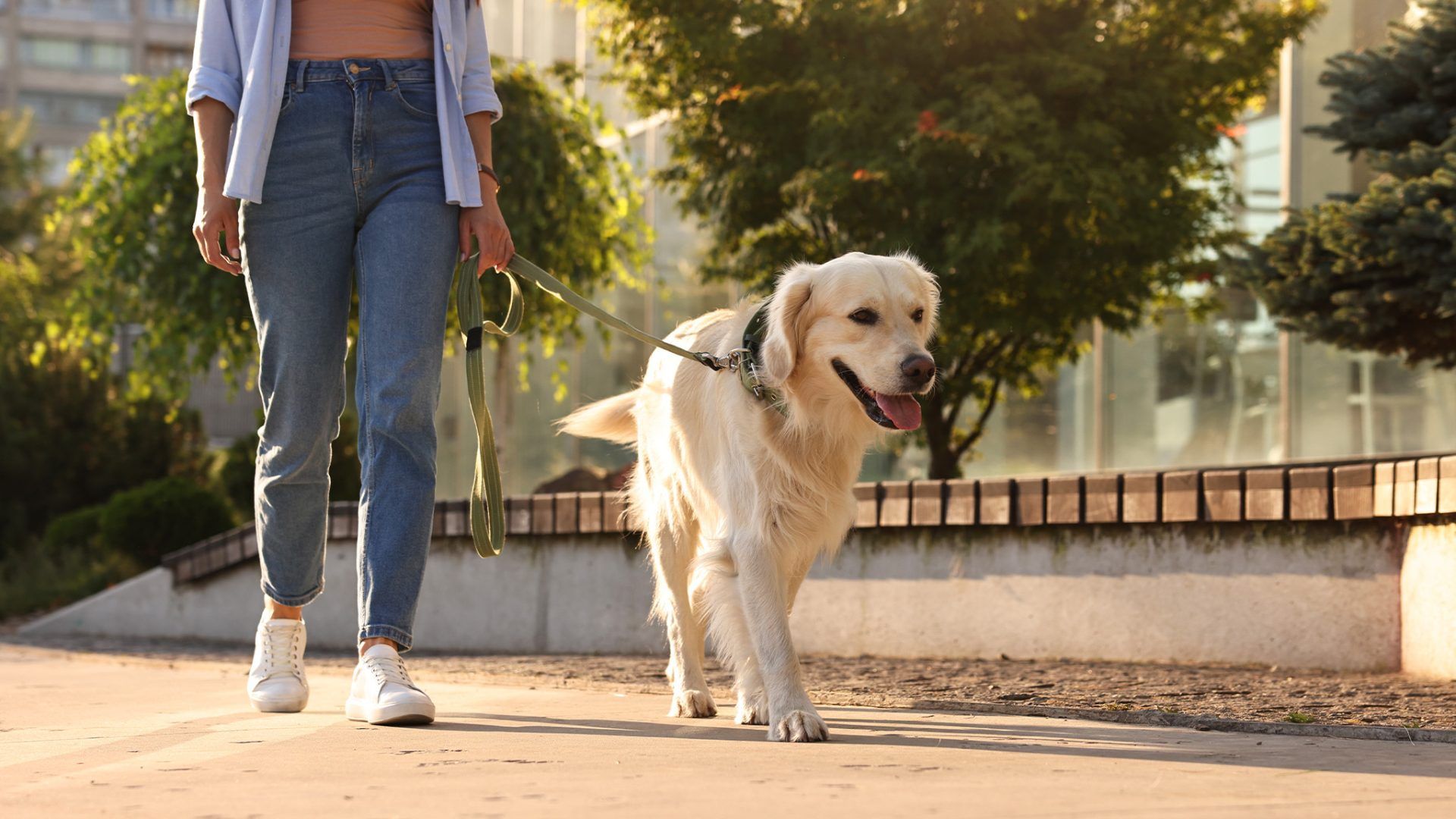
Plenty of people love dogs. That is a good start, but it is not the same as knowing how to care for someone else’s dog safely, consistently, and professionally.
A great dog walker learns the small details that make each dog unique. They notice when a normally enthusiastic walker seems tired. They know which routes feel comfortable, how to approach an anxious dog, and when Chicago weather calls for a change of plans. They also communicate clearly, follow instructions, and show up when they say they will.
For busy Chicago pet parents, a dog walker may become an important part of the weekly routine. The right person is not simply holding the other end of the leash.
They build trust with your dog and help you provide dependable care throughout the day.
A Great Dog Walker Is Dependable
Reliability may not be the most exciting quality to discuss, but it is one of the most important.
Your dog does not understand that a meeting ran long, the train was delayed, or your afternoon schedule changed unexpectedly. They only know that it is usually time to go outside.
A dependable dog walker provides consistency. They arrive within the expected service window, follow the agreed-upon routine, and communicate if something unusual happens.
This reliability is particularly important for apartment dogs that depend on scheduled outings for bathroom breaks and activity. Our guide to How Apartment Living Shapes Your Dog’s Daily Routine explains why those intentional outings matter so much for dogs living in Chicago apartments, condos, and high-rises.
For pet parents, reliability means less time worrying about whether the visit happened. For dogs, it means having a familiar and predictable part of the day.
They Get to Know Your Dog as an Individual
A great dog walker does not treat every dog the same.
One dog may be eager to cover as much ground as possible. Another may prefer a relaxed pace with plenty of time to investigate every tree, planter, and suspicious patch of grass. Some dogs love attention from neighbors, while others would strongly prefer that strangers admire them from a respectful distance.
Learning those preferences takes time and attention.
A thoughtful walker gets to know:
- Your dog’s normal pace and energy level
- Their favorite routes and places to stop
- What tends to make them nervous or excited
- How they respond to other dogs, people, bicycles, and city noise
- Their bathroom habits
- Any physical limitations or care instructions
- What helps them feel comfortable before and after the walk
These details allow a dog walker to make better decisions during each visit. They also help the walker notice when something feels different from normal.
They Know How to Read Canine Body Language
Dogs communicate constantly, even when they are not barking.
A stiff posture, a tucked tail, a turned head, a sudden pause, or a refusal to move can all communicate discomfort. A dog may also show excitement, uncertainty, or overstimulation in ways that are easy to miss if someone is focused only on completing the route.
A skilled dog walker pays attention to those signals.
They know when a dog needs more space. They do not force greetings with unfamiliar dogs or people. They understand that a dog who freezes may need patience, not a tug on the leash.
This matters for every dog, but it is especially important for shy, anxious, senior, or reactive pets. Familiarity can also make these walks easier over time. In Why Familiar Caregivers Matter for Anxious or Shy Pets, we look more closely at how consistent caregivers can help pets build trust and feel safer during everyday care.
They Understand That Every Walk Has a Purpose
A dog walk is not only about checking off a bathroom break.
It provides physical activity, mental stimulation, time outdoors, and a midday break. Sniffing, observing, and exploring are all valuable parts of the experience.
A great walker understands that the best walk may look different from one dog to the next.
For one dog, success may mean a lively route with steady movement. For another, it may mean a slower outing that helps them feel calm and confident. A senior dog may need gentle movement and extra time. A younger dog may benefit from more structured activity.
Regular midday walks can be especially helpful for breaking up long stretches at home and balancing a dog’s energy. You can learn more about that in Why Midday Dog Walks Matter More Than You Think.
The goal is not to tire every dog out as quickly as possible. It is to provide an outing that supports the dog’s comfort, routine, and individual needs.
They Know When to Change the Plan
Chicago has a way of making flexibility part of the job description.
A sunny morning can turn into an afternoon downpour. Summer sidewalks can become too hot for paws. Winter brings salt, ice, and bitter wind. Construction, street festivals, and neighborhood activity can also make a familiar route feel completely different from one day to the next.
A good dog walker does not blindly follow the same route in every condition.
They may choose a quieter street, spend more time in shaded areas, shorten an outing during extreme weather, or adjust the pace based on the dog in front of them.
This kind of judgment matters in particular during Chicago summers.
Hot pavement may be dangerous even when the air temperature does not seem extreme. Our article How Hot Is Too Hot? Protecting Your Dog’s Paws During a Chicago Summer explains how surface temperatures affect dogs and what safer walking decisions can look like.
Consistency does not mean doing the exact same thing every day. It means providing dependable care while making thoughtful adjustments when needed.
Local Knowledge Makes a Real Difference
Walking a dog in Chicago is not the same in every neighborhood.
A walk through Wrigleyville may require extra awareness around game-day crowds. Parts of Lakeview, Uptown, and Edgewater can feel cooler or windier near the lake than areas farther inland. Busy commercial stretches in Wicker Park, Bucktown, Logan Square, or Old Town may call for a different route than quieter residential blocks.
In neighborhoods such as Ravenswood, Roscoe Village, North Center, Lincoln Square, Andersonville, and Palmer Square, an experienced walker may know where to find quieter streets, grass parkways, or a little more shade.
Local knowledge helps walkers choose routes that suit the dog, not simply the map.
It also helps them anticipate the normal rhythm of a neighborhood. They learn where sidewalk traffic tends to build, which corners require extra attention, and which routes work best for dogs who prefer a calmer outing.
Across neighborhoods like Lakeview, Lincoln Square, Logan Square, Ravenswood, and Wicker Park, that local familiarity helps Chicago Pet Sitters provide walks that feel thoughtful, safe, and tailored to each dog.
That local familiarity helps care feel more thoughtful and personal.
Clear Communication Builds Trust
Pet parents should not have to wonder how a visit went.
A professional dog walker communicates clearly and consistently. They share useful updates about the walk, bathroom habits, behavior, and anything unusual they noticed.
The best updates are not novels, but they are more helpful than “all good.”
You should come away knowing:
- That the visit was completed
- How your dog behaved
- Whether they ate, drank, or used the bathroom as expected
- If anything seemed unusual
- Whether follow-up may be needed
Clear communication creates peace of mind and builds a stronger partnership between the caregiver and pet parent.
It also matters when something does not go according to plan. A great walker does not hide mistakes or wait to mention a concern. They communicate promptly and help determine the appropriate next step.
They Respect Your Home and Instructions
Dog walking is also in-home care.
The walker may be entering your apartment, handling keys or access codes, using equipment, checking water, and following instructions related to your dog’s routine. Professionalism inside the home matters just as much as professionalism on the sidewalk.
A trusted walker follows the care information provided, secures the home properly, respects personal space, and communicates when instructions are unclear.
They also understand that printed notes left at home may not always reach the right person or reflect the latest information. Keeping care and access instructions current in the Time To Pet portal helps ensure caregivers have reliable details before each visit.
A Strong Company Supports the Walker
A great individual walker matters, but so does the company behind them.
Professional pet care should include systems for communication, scheduling, training, insurance, and backup coverage. A walker should not be operating without support if they become ill, encounter an access issue, or need help responding to an unexpected situation.
This is one of the biggest differences between hiring a professional dog walking service and relying on informal help.
If you are comparing providers, Choosing a Dog Walking Service in Chicago offers a broader look at the questions pet parents should ask about safety, reliability, and professional standards.
The goal is to find both a caregiver your dog trusts and a service you can depend on.
The Right Dog Walker Becomes Part of the Routine
Over time, a great dog walker becomes a familiar part of your dog’s day.
Your dog recognizes their voice at the door. They know what comes next. The leash goes on, the walk begins, and the routine feels comfortable.
That relationship is built through consistency, patience, observation, and trust.
For pet parents, the benefit is practical. Your dog receives reliable activity and attention when you cannot be there. For dogs, the experience can be much more personal. They gain a caregiver who understands their habits, respects their preferences, and looks forward to seeing them.
If you are looking for a professional dog walker in Chicago, focus on more than availability. Look for someone who communicates well, pays attention, makes thoughtful decisions, and takes the time to know your dog.
That is what turns a scheduled walk into truly dependable care.
