
Everyone talks about how cats are creatures of habit. We would go one step further and say they are creatures of place, too.
Cats become deeply connected to their environment. They know their favorite windows, their preferred sleeping spots, the exact sound of the treat cabinet, and which patch of afternoon sun is worth rearranging their entire day for. For many cats, home is not just familiar. It is part of what helps them feel safe.
That is why vacation pet sitting can be such a good fit for cats. Instead of adjusting to a new environment while their people are away, cats can stay where they are most comfortable, surrounded by their normal routines, scents, and spaces.
Still, a smooth pet sitting experience starts with preparation. A little planning before you leave helps your cat feel more settled and gives your sitter the information they need to provide thoughtful, consistent care.
Why Preparation Matters for Cat Sitting
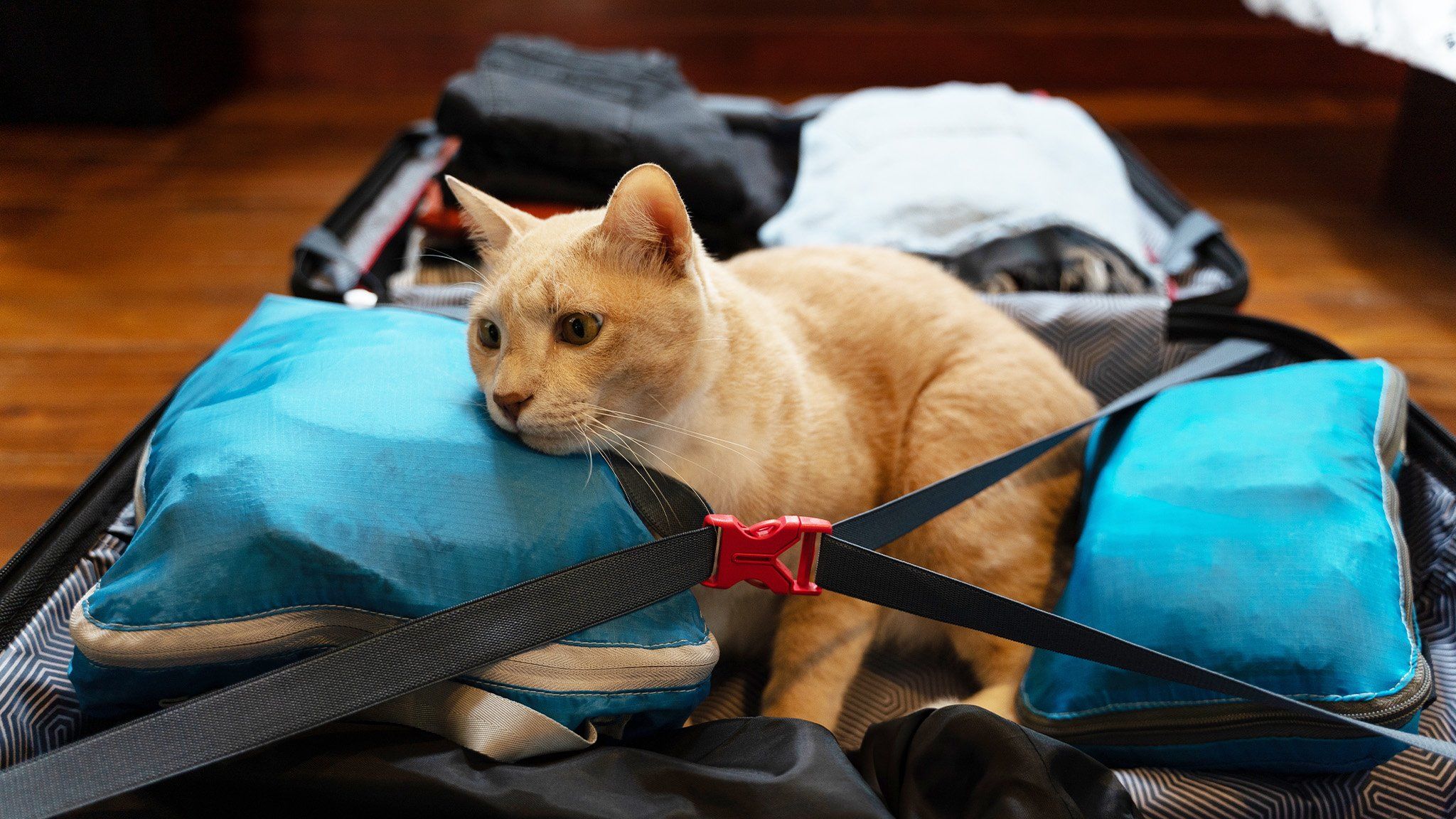
Cats may seem independent, but they notice changes quickly. A suitcase by the door, a shifted routine, or a change in household energy can all signal that something is different.
Preparing ahead of time helps reduce confusion and keeps your cat’s care predictable while you are away.
This is especially important for cats who are shy, senior, medical, or particular about their routines. Clear instructions, easy access to supplies, and familiar home rhythms all help your sitter provide care that feels as close to normal as possible.
For Chicago pet parents balancing travel, work trips, family visits, and busy schedules, preparation also creates peace of mind. You can leave knowing your cat’s needs are clearly documented and your sitter has everything they need.
Update Feeding Instructions Before You Leave
Feeding routines are one of the most important parts of cat care.
Before your trip, make sure your sitter knows exactly what your cat eats, how much they eat, and when they should be fed. Include details like:
- Food brand and type
- Portion amounts
- Meal times
- Treat instructions
- Supplements or medications
- Where food and supplies are stored
If your cat grazes throughout the day, gets wet food at specific times, or has strong opinions about bowl placement, include that too.
Small details matter. A cat who eats comfortably in one room may hesitate if food is placed somewhere unfamiliar. Keeping the routine consistent helps your cat feel more secure while you are away.
Keep Litter Box Details Clear
Litter box care is another area where cats appreciate consistency.
Let your sitter know how many litter boxes are in the home, where each one is located, and how often they should be scooped. If your cat has a preferred box or is sensitive to changes in litter, include that information as well.
It is also helpful to make sure extra litter, bags, and cleaning supplies are easy to find.
Changes in litter box behavior can sometimes be an early sign that a cat is stressed or not feeling well, so clear litter instructions help your sitter monitor what is normal for your cat.
Share Your Cat’s Personality and Preferences
No two cats want care delivered in exactly the same way.
Some cats greet their sitter at the door and expect immediate attention. Others prefer to observe from a safe distance before deciding whether interaction is acceptable. Some enjoy playtime, while others feel most comfortable with quiet company.
Before your trip, share what your cat is usually like.
Does your cat hide from new people? Do they love chin scratches? Are there places they should not be disturbed? Do they prefer wand toys, treats, brushing, or simply having someone sit nearby?
These details help your sitter respect your cat’s comfort level rather than forcing interaction too quickly.
For shy cats, this is especially important. A good visit may not always mean lap time or visible affection. Sometimes success means the cat felt safe enough to eat, use the litter box, and stay relaxed in their own space.
Prepare Medication and Health Instructions Carefully
If your cat takes medication, preparation is essential.
Make sure all medication is clearly labeled and stored where your sitter can easily access it. Instructions should include:
- Medication name
- Dose amount
- Time of day it should be given
- Whether it should be given with food
- Any tips for administering it
- What to do if your cat refuses a dose
If your cat has a medical condition, mobility issue, food sensitivity, or recent health concern, include that information too.
Your sitter should also know your veterinarian’s contact information and any emergency preferences. Even if an emergency is unlikely, having this information ready helps everyone respond quickly if needed.
Make Supplies Easy to Find
Before leaving, take a few minutes to set up your cat’s supplies in a clear, accessible way.
This may include:
- Food
- Treats
- Bowls
- Litter and scoop
- Trash bags
- Cleaning supplies
- Toys
- Medication
- Carriers
- Towels or blankets
In Chicago apartments and condos, storage can be creative. If supplies are tucked into closets, cabinets, pantry shelves, or laundry areas, make sure your sitter knows exactly where to find them.
This saves time during visits and helps ensure your cat’s care stays smooth and consistent.
Think Through Home Access
Reliable access is one of the most important parts of vacation pet sitting.
Before your trip, make sure your sitter has accurate entry instructions. This may include keys, lockboxes, building codes, front desk procedures, elevator access, parking notes, or door quirks.
If your building has specific rules for visitors, deliveries, or security, include those details ahead of time.
In a city like Chicago, where buildings can vary widely from walk-ups to high-rises to multi-unit homes, access instructions matter. Clear information helps your sitter arrive on time and focus fully on your cat’s care.
Keep Your Cat’s Routine as Normal as Possible
The goal of in-home cat sitting is to keep your cat’s life feeling familiar.
Before you leave, try not to make major changes to your cat’s routine. Avoid moving litter boxes, switching food, changing feeding times, or introducing new supplies right before a trip unless absolutely necessary.
Cats do best when their environment stays predictable.
If your cat has daily routines, like morning window time, evening play, or a favorite blanket on the couch, share those details with your sitter. The more familiar the visit feels, the more comfortable your cat is likely to be.
Leave Notes in the Right Place
It can be tempting to leave printed notes around the house, but the most reliable place for care instructions is your client portal.
Portal instructions are easier to reference, update, and keep consistent across visits. They also help ensure your sitter has the latest information before they arrive.
If anything changes before your trip, update your instructions in the portal as early as possible. This includes feeding amounts, medication details, home access information, and supply locations.
Good communication before your trip helps prevent confusion during your trip.
Plan Ahead for Travel Seasons
Vacation periods tend to fill quickly, especially around spring break, summer travel, and holidays.
If you know your travel dates, it is best to request care early. Booking ahead gives your pet care team more time to coordinate visits and helps maintain continuity with familiar sitters whenever possible.
For cats, familiarity can make a meaningful difference. Seeing someone they recognize, or someone who already understands their personality, helps create a calmer experience while you are away.
A More Comfortable Trip for Your Cat and You
Preparing for vacation pet sitting does not have to be complicated. The most helpful steps are often the simplest.
Clear feeding instructions. Updated access notes. Easy-to-find supplies. A familiar routine. A sitter who understands your cat’s personality.
Together, these details help your cat stay comfortable at home while you are away.
For many cats, that is the best possible arrangement. They get to remain in their own space, follow their usual rhythm, and receive care designed around who they are.
If you are planning time away and want your cat to stay comfortable at home, Chicago Pet Sitters can help provide reliable in-home care with the consistency and communication your cat deserves.
