

Spring in Chicago has a way of waking everything up.
The days stretch a little longer. The air feels different. Sidewalks fill with movement again. Parks slowly come back to life. Even on cooler days, there is a noticeable shift in energy across the city.
Pets feel it too.
Many pet parents start to notice small changes this time of year. A dog that suddenly seems more alert. A cat that is more active during the day. A general sense that something has shifted, even if routines have not fully caught up yet.
In many cases, what looks like restlessness is simply a sign that your pet needs more stimulation.
Why Pets Seem More Restless in Spring
After a long Chicago winter, both people and pets tend to settle into quieter routines.
Walks may be shorter. Outdoor time may be more limited. Even the pace of daily life can feel slower during colder months.
As spring approaches, the environment begins to change quickly. Longer daylight hours, warmer temperatures, and increased activity outdoors all contribute to a noticeable shift in energy.
For pets, especially dogs, this can create a mismatch between how they feel and what their routine currently provides.
They are ready for more movement, more stimulation, and more engagement with their surroundings. If those needs are not met, that extra energy often shows up in ways that feel disruptive at home.
Signs Your Dog Needs More Stimulation
Restlessness can show up in a variety of ways, and not all of them are obvious at first.
Some dogs become more vocal. Others may pace, follow their owners from room to room, or have trouble settling down in the evening. You may notice increased pulling on walks or heightened excitement when it is time to go outside.
In neighborhoods across Chicago, where sidewalks become busier and scents more abundant in spring, dogs are exposed to more stimulation than they have experienced in months. That alone can increase their overall alertness and energy levels.
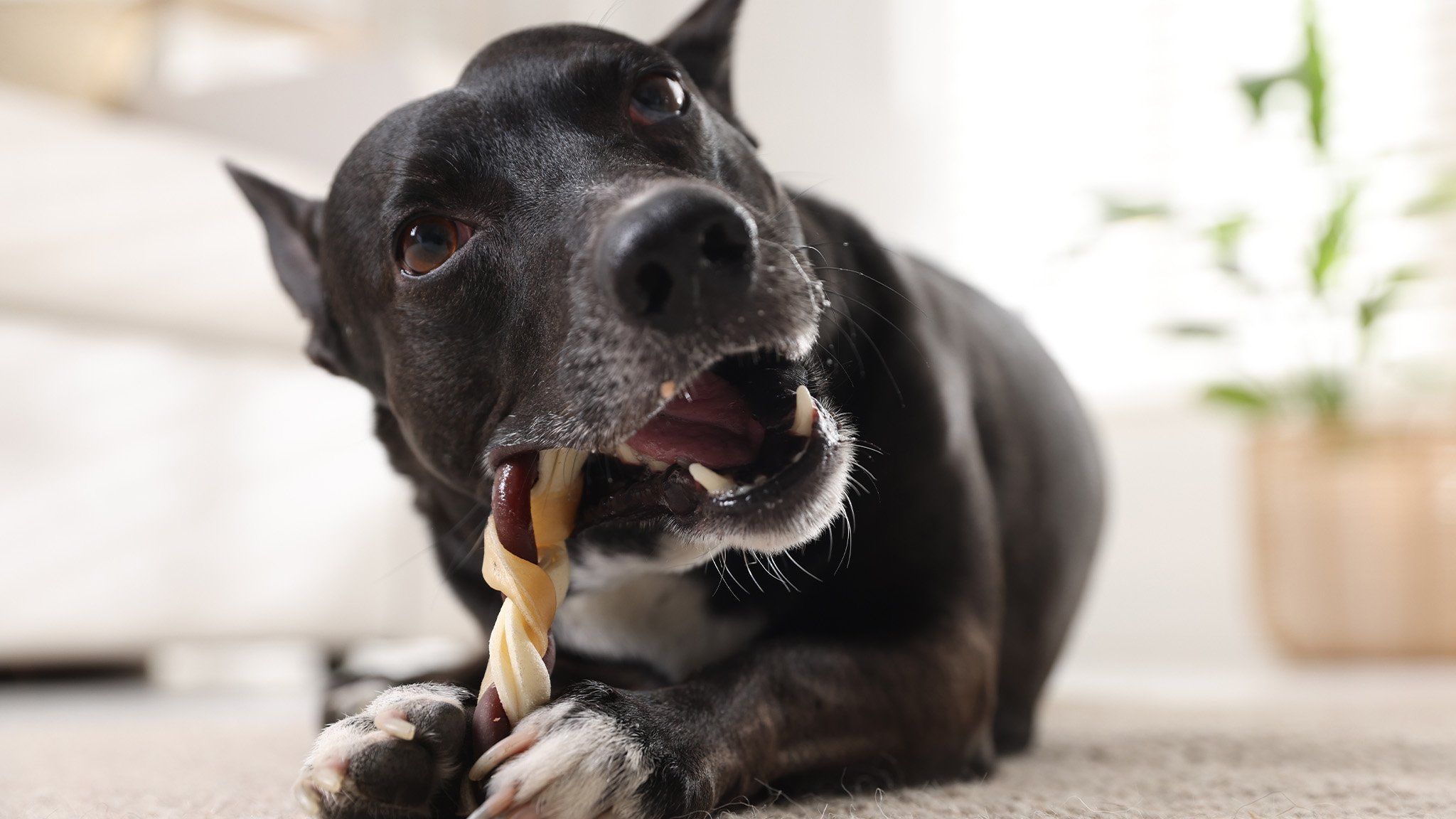
Destructive behaviors can also appear. Chewing, digging at blankets or furniture, or getting into things they would normally ignore are often signs that a dog has excess energy with no clear outlet.
These behaviors are not about disobedience. They are usually a sign that your dog needs more consistent physical and mental engagement.
Subtle Signs in Cats and Indoor Pets
Cats may express restlessness differently, but the underlying cause is often the same.
Increased activity at unusual hours, more frequent zoomies, or heightened attention to windows and outdoor movement are common during spring. Cats may become more vocal or more insistent on interaction.
Even small changes in daylight can affect a cat’s internal rhythm. As the sun rises earlier and sets later, their natural patterns shift.
Indoor pets that were content during the winter months may suddenly need more engagement. Without it, boredom can develop, which may lead to unwanted behaviors like scratching, over-grooming, or general agitation.
Physical Exercise Is Only Part of the Picture
When we think about restless pets, exercise is often the first solution that comes to mind. And it is an important one.
Regular walks, play sessions, and movement help release built-up energy and support overall health. In a city like Chicago, where outdoor conditions vary day to day, maintaining that consistency can take some planning.
But physical exercise is only part of what pets need.
Mental stimulation plays an equally important role. New environments, changing routes, and opportunities to explore provide enrichment that goes beyond simply burning energy.
For dogs, a walk is not just a walk. It is an opportunity to engage with the world. For cats, interactive play and environmental enrichment help satisfy natural instincts that may become more active in spring.
The Role of Routine in Reducing Restlessness
As energy levels increase, routine becomes even more important.
Predictable schedules help pets understand when to expect activity, interaction, and rest. Without that structure, increased energy can feel chaotic rather than balanced.
This is where consistency makes a meaningful difference.
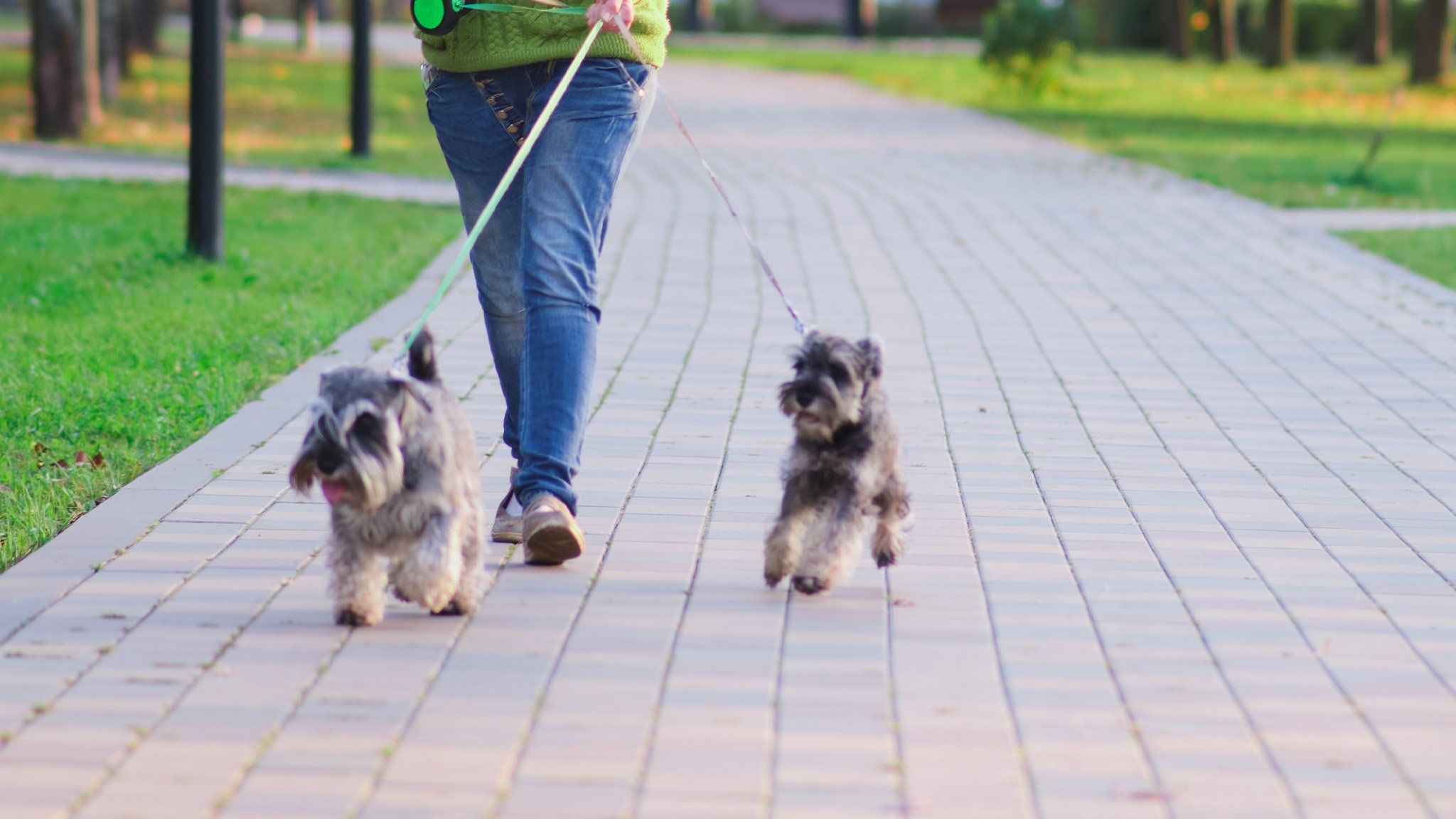
Regular dog walks at similar times each day help regulate energy levels and reduce spikes in restlessness. For pet parents with changing spring schedules, midday walks can provide a reliable outlet for dogs that might otherwise spend long stretches waiting for activity.
For cats and other pets, consistent in-home visits or play sessions help maintain a sense of normalcy even as household routines shift.
Why Familiar Caregivers Matter During Seasonal Shifts
Spring often brings more change than just the weather.
Work schedules evolve. Social calendars fill up. Travel plans begin to take shape. All of this can impact how often pets are alone and how predictable their daily routines feel.
During times of change, familiarity becomes especially important.
Pets that are already adjusting to new energy levels and environmental changes benefit from seeing the same caregivers. Familiar voices, routines, and interactions help anchor their day.
In-home pet care in Chicago provides this kind of consistency. Pets remain in their own environment while receiving care from people they recognize and trust.
For routine-driven or more sensitive pets, this continuity helps reduce stress and keeps restlessness from turning into anxiety.
Small Adjustments That Make a Big Difference
The good news is that supporting a restless pet does not require a complete overhaul of your routine.
Often, small adjustments are enough.
A slightly longer walk. A more consistent midday visit. A few minutes of structured play. A predictable rhythm to the day.
These changes help align your pet’s routine with their seasonal energy levels.
In Chicago, where the pace of life and the environment can shift quickly in spring, these small adjustments help pets stay balanced and comfortable.
A Natural Shift, Not a Problem
Restlessness in spring is not something to fix. It is something to understand.
It is a sign that your pet is responding to a changing environment. With the right balance of activity, stimulation, and consistency, that extra energy can become a positive part of their daily life.
For many pet parents, having support from experienced dog walkers or pet sitters makes it easier to maintain that balance, even as schedules evolve.
If your pet seems a little more alert, more active, or harder to settle this time of year, they are likely just ready for what spring has to offer.
And with a few thoughtful adjustments, they can enjoy it comfortably.
Ready to get started with a new routine? Start your application for Chicago Pet Sitters here.
