
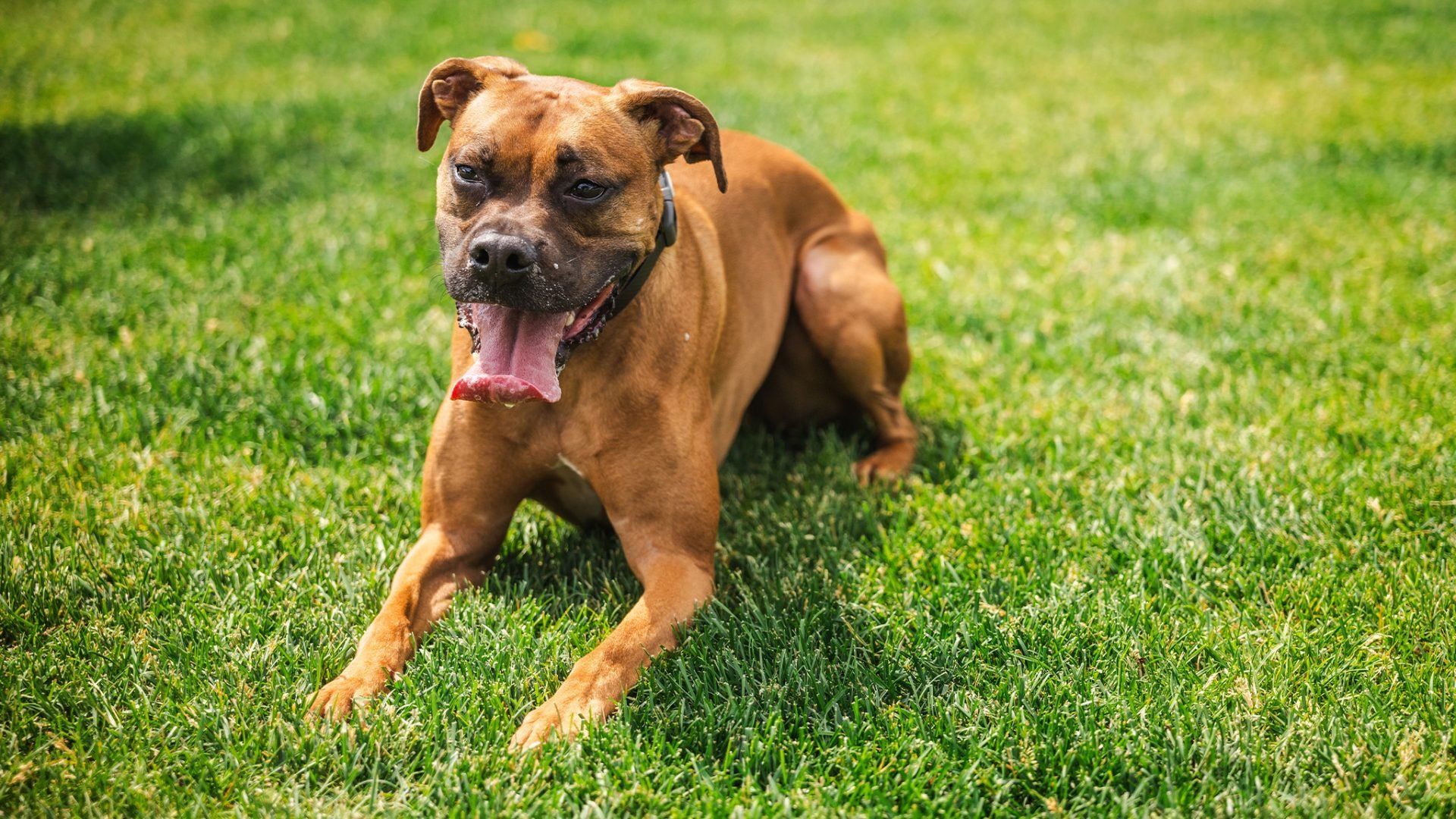
Chicago summers bring plenty of opportunities to get outside with your pets. From neighborhood walks and trips to the park to outdoor dining and weekend adventures, warmer weather encourages everyone to spend more time outdoors.
But while many people enjoy the summer sunshine, pets can struggle with the heat much more quickly than we realize.
Unlike people, pets do not cool themselves in the same way. What feels like a warm summer day to you may feel significantly hotter to your dog, cat, or other companion animal.
Understanding the signs of overheating and knowing how to prevent it can help keep your pet safe throughout Chicago’s hottest months.
Why Pets Overheat More Easily Than Humans
People cool themselves primarily through sweating. Pets have a much more limited ability to regulate body temperature.
Dogs rely heavily on panting to release excess heat. Cats also use grooming and limited sweating through their paw pads to help cool themselves. Small animals such as rabbits, guinea pigs, and other pocket pets can be especially sensitive to heat because they have fewer ways to regulate body temperature and often live in enclosed environments.
When temperatures rise, especially during periods of high humidity, pets may have difficulty cooling themselves efficiently. This can increase the risk of heat stress and, in severe cases, heat stroke.
Which Pets Are Most Vulnerable?
Any pet can overheat, but some face a higher risk than others.
Older pets and very young pets often have a harder time regulating body temperature. Overweight pets may become overheated more quickly during activity. Pets with underlying health conditions may also be more sensitive to heat.
Certain dog and cat breeds with shortened noses, including Bulldogs, Pugs, Boston Terriers, Persian cats, and similar breeds, may have additional difficulty cooling themselves through panting.
Even healthy pets can struggle when temperatures climb into the upper 80s and 90s, especially when humidity is high or outdoor activity lasts longer than usual.
Early Signs Your Pet May Be Overheating
Recognizing early warning signs is one of the best ways to prevent a more serious problem.
Watch for:
- Excessive panting
- Increased drooling
- Slowing down during walks or play
- Seeking shade more frequently
- Lethargy or unusual tiredness
- Increased thirst
- Reluctance to continue exercising
- Difficulty settling comfortably
Dogs often communicate discomfort long before a situation becomes dangerous. A dog that normally enjoys long walks may suddenly stop, seek grass or shade, or show less enthusiasm for activity.
Cats may become unusually quiet, lethargic, or seek cooler areas of the home.
These subtle signs should not be ignored, especially during periods of extreme heat.
When Overheating Becomes More Serious
Heat-related illness can progress quickly if a pet is unable to cool down.
More serious warning signs may include:
- Vomiting
- Diarrhea
- Weakness
- Disorientation
- Excessive drooling
- Unsteady movement
- Collapse
If your pet shows signs of significant heat stress or appears unable to recover after moving to a cooler environment, contact your veterinarian or an emergency veterinary clinic immediately.
Prompt veterinary attention can be critical in serious cases.
How to Help a Pet Cool Down Safely
If you suspect your pet is becoming overheated, move them to a cooler environment as soon as possible.
Offer access to cool drinking water and encourage rest in a shaded or air-conditioned space. Fans and air circulation can also help increase comfort.
Avoid forcing exercise or activity while your pet is recovering.
Monitor their condition closely and contact your veterinarian if symptoms persist, worsen, or appear severe.
Summer Safety Starts Before the Walk
Prevention is always easier than treatment.
One of the best ways to reduce the risk of overheating is to adjust your routine during hot weather.
Consider:
- Walking during early morning or evening hours
- Bringing water on longer outings
- Taking more frequent breaks
- Avoiding prolonged exercise during peak heat
- Seeking shaded routes whenever possible
- Monitoring humidity as well as temperature
Chicago’s lakefront, neighborhood parks, and tree-lined residential streets can provide welcome relief compared to exposed sidewalks and asphalt surfaces.
Even small adjustments to timing and route selection can make a meaningful difference.
Why Consistent Care Matters During Summer
Summer often brings changes in routine. Travel plans, family activities, and longer days can all affect when pets receive exercise and attention.
This is where consistency becomes especially valuable.
Experienced dog walkers understand how to adapt walks based on weather conditions. During periods of extreme heat, routes may be adjusted to prioritize shade, grass, and cooler surfaces. Walk durations may be modified to match conditions while still ensuring dogs receive the exercise and enrichment they need.
For pets staying home while their families travel, regular visits also provide an opportunity for someone to monitor comfort levels, refresh water, and recognize signs of heat-related issues before they become more serious.
Enjoying Summer Safely
Summer should be a season of fun for both pets and people.
By recognizing early warning signs, planning activities thoughtfully, and adjusting routines when temperatures climb, you can help your pet stay safe and comfortable throughout the season.
Whether you’re heading to a neighborhood festival, enjoying a walk through the park, or simply spending more time outdoors, paying attention to heat and hydration can go a long way toward protecting your pet’s health.
Thoughtful care, consistent routines, and awareness of changing conditions help ensure your pet enjoys everything a Chicago summer has to offer.
