

Spring in Chicago does not arrive all at once. It shows up in pieces.
A slightly warmer morning. A longer stretch of daylight after dinner. A dry sidewalk one day, followed by rain the next. Gradually, almost without noticing, routines begin to shift.
For pet parents, this time of year often brings a renewed sense of energy. Schedules fill back up. Time outside increases. Weekends start to look different. But for pets, these changes can feel less predictable.
Spring is a natural time to reset. Not in a dramatic way, but through small adjustments that help your pet stay comfortable, balanced, and in rhythm with the season.
Why Spring Is the Right Time to Reset Your Pet’s Routine
After a long Chicago winter, routines tend to become a little more contained. Walks may be shorter. Outdoor time may be more limited. Even household schedules often shift to accommodate colder, darker days.
As spring arrives, those patterns begin to open up again.
Longer daylight hours can increase your pet’s energy levels. Warmer temperatures encourage more time outside. At the same time, your own schedule may become less predictable as social plans, travel, and activities pick back up.
For pets, especially those who rely on consistency, this transition can feel both exciting and slightly unsettling. A few thoughtful changes can help bridge that gap.
Adjusting Walks to Match Seasonal Energy
One of the first things many pet parents notice in spring is a change in their dog’s energy.
Dogs that seemed content with shorter winter walks may suddenly be ready for more. They linger longer outside. They seem more alert, more curious, more engaged with their surroundings.
In neighborhoods across Chicago, from Lincoln Park to Roscoe Village, the shift is easy to see. Parks become busier. Sidewalks feel more active. There is simply more happening.
This is a good time to gradually increase both the length and consistency of walks.
Even small changes make a difference. Adding a few extra minutes, adjusting walk times to take advantage of daylight, or maintaining a steady midday routine can help regulate energy levels and reduce restlessness at home.
For many pet parents, this is also when consistent dog walking becomes especially valuable. As schedules become busier, having a reliable midday walk ensures that your dog continues to get the structure and activity they need.
Keeping Feeding and Daily Rhythms Consistent
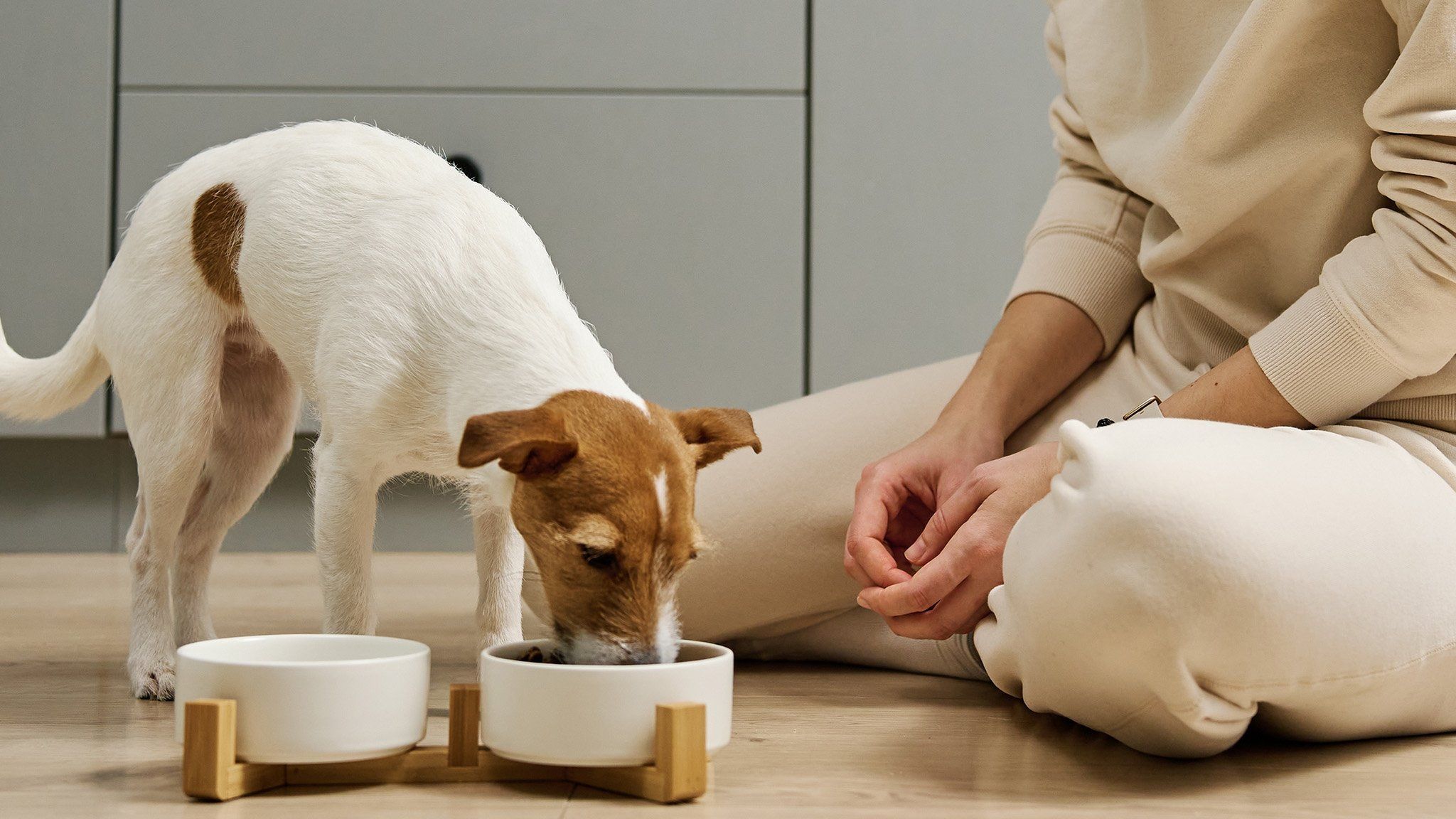
While outdoor routines tend to change in spring, feeding schedules and daily rhythms should remain as steady as possible.
Pets take comfort in knowing when to expect meals, walks, and interaction. When everything else feels a little different, these consistent anchors become even more important.
If your schedule is shifting, it can be helpful to look at your pet’s day from their perspective. Are meals happening at roughly the same time? Is there a predictable pattern to activity and rest?
Even small inconsistencies can add up over time, especially for pets that are more routine-driven. Maintaining a stable rhythm helps support digestion, sleep, and overall behavior.
Helping Pets Adjust to More Time Alone
Spring often brings a noticeable shift in how much time pets spend alone.
As people spend more time outside, return to busier work schedules, or begin traveling again, pets may experience longer gaps between interaction and activity.
For some pets, this adjustment happens smoothly. For others, it can lead to signs of restlessness or anxiety.
Dogs may become more vocal, more energetic in the evenings, or more focused on seeking attention. Cats may show changes in activity levels or behavior that reflect the shift in routine.
Introducing consistent touchpoints throughout the day can help ease this transition.
Regular dog walks, in-home visits, or even predictable play sessions can break up long stretches of alone time and provide reassurance. These small moments of consistency help pets stay grounded, even as your schedule evolves.
Supporting Mental Stimulation as the Environment Changes
Spring brings a wave of new sensory experiences for pets.
New scents, increased outdoor activity, and changing environments all contribute to a more stimulating world. While this can be enriching, it can also be overwhelming without structure.
For dogs, walks become an important outlet not just for physical activity, but for mental engagement. Allowing time to explore, sniff, and interact with their surroundings helps satisfy natural curiosity.
For indoor pets, especially cats, increased daylight and activity outside can lead to bursts of energy or restlessness. Incorporating interactive play or enrichment during the day helps channel that energy in a positive way.
The goal is not to add more activity, but to create a balanced rhythm between stimulation and rest.

Paying Attention to Subtle Behavior Changes
Seasonal transitions often reveal small shifts in behavior that are easy to overlook.
A dog that seems slightly more restless than usual. A cat that becomes more active at night. A pet that takes longer to settle down during the day.
These are not necessarily problems. They are often signs that your pet is adjusting to a changing environment.
Noticing these shifts early allows you to respond with small adjustments. A slightly longer walk, a more consistent midday visit, or a predictable play session can help bring things back into balance.
For routine-driven pets, these small changes can have a meaningful impact on comfort and behavior.
The Value of Familiar Care During Seasonal Change
As routines shift, one of the most important constants for pets is familiarity.
Seeing the same caregiver, hearing the same voice, and experiencing the same approach to care helps reinforce a sense of safety. This is especially important during times when other parts of life feel less predictable.
In-home pet care allows pets to stay in their own environment while still receiving consistent, attentive care. For dogs, that may mean regular walks with someone they know. For cats, it may mean visits from a familiar presence who understands their habits and preferences.
Over time, these relationships become an important part of a pet’s routine. They provide continuity through seasonal changes, schedule shifts, and everyday life.
Small Changes, Lasting Impact
Spring does not require a complete reset. It simply offers an opportunity to realign.
A slightly longer walk. A more consistent midday routine. A renewed focus on predictable daily rhythms. These small adjustments help pets navigate seasonal transitions more easily.
In a city like Chicago, where the pace and environment can change quickly, maintaining that sense of consistency becomes even more valuable.
For pet parents looking to support their dog or cat through this seasonal shift, thoughtful, in-home care can make a meaningful difference. When routines stay steady, and care remains familiar, pets are better able to enjoy everything spring has to offer.
