
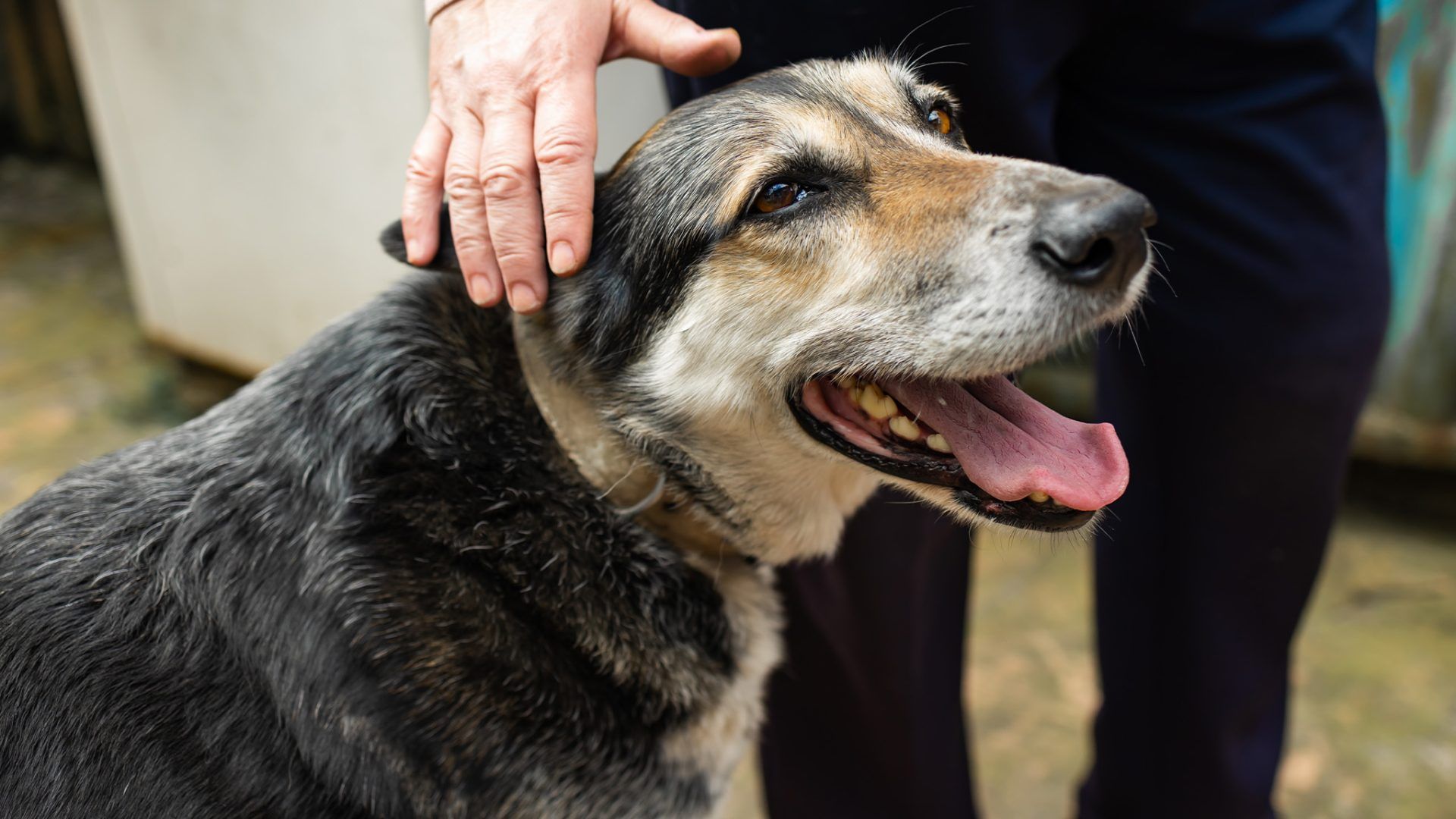
One day, your dog is charging down the sidewalk like every walk is a personal best attempt. A few years later, they may pause a little longer at the corner, take their time getting off the couch, or decide that three blocks is plenty, thank you very much.
Getting older is a normal part of your dog’s life, and it does not mean their best days are behind them. Senior dogs can remain playful, curious, affectionate, and very opinionated about where the good treats are kept.
What often changes is how they move through the day.
Those changes can happen gradually enough that they are easy to miss, especially when you see your dog every day. Noticing small shifts in their normal routine can help you adjust their care and recognize when something may be worth mentioning to your veterinarian.
There Is No Single Age When Every Dog Becomes a Senior
Dogs age at different rates, so there is no birthday when they suddenly wake up as a senior dog.
Size, breed, health history, and individual genetics all play a role. A larger dog may begin showing age-related changes earlier than a smaller dog, while two dogs of exactly the same age may have completely different energy levels.
That is why knowing your own dog matters more than comparing them with another.
Instead of asking whether your dog is acting like a typical 8-, 10-, or 12-year-old, focus on what is normal for them. Changes from that baseline are often much more useful than a number on the calendar.
Their Walk May Start Looking a Little Different
For many pet parents, changes on walks are among the first things they notice.
Maybe your dog still gets excited when the leash comes out but moves a little more slowly once you are outside. They may stop more often, choose shorter routes, or spend more time sniffing instead of covering ground.
That does not necessarily mean walks should stop. They may simply need to evolve.
A senior dog may be perfectly happy with a gentler pace, shorter distance, or a little extra time to investigate the neighborhood. Regular movement and opportunities to explore can still be an important part of their day.
The goal shifts from mileage to what feels comfortable and enjoyable for the dog in front of you.
For dogs living in the city, these walks are also tied closely to bathroom breaks, stimulation, and daily rhythm. We cover that more in How Apartment Living Shapes Your Dog’s Daily Routine.
Getting Up and Down May Take More Thought
Sometimes aging shows up in very ordinary moments.
Your dog hesitates before jumping onto the couch. They take an extra second to stand after a long nap. Stairs once tackled at full speed suddenly get a long, suspicious stare.
These little changes are worth noticing.
You may also see your dog avoiding slippery flooring, changing sleeping positions more frequently, or choosing places that are easier to reach.
Don’t assume stiffness or reluctance to move is simply something your dog has to live with because they are older. Changes in mobility can have many causes, and your veterinarian can help you determine what is going on and whether adjustments may make your dog more comfortable.
At home, simple changes can sometimes make everyday routines easier. A comfortable resting area, better traction on slick floors, and easier access to favorite spaces can all help an older dog navigate the day with more confidence.
Bathroom Habits May Change Too
Older dogs may need adjusted bathroom routines.
Some may benefit from more frequent opportunities to go outside. Others may take longer to find the right spot or have occasional accidents despite being reliably house trained for years.
Because bathroom habits can also signal health changes, pay attention rather than simply chalking them up to age.
Notice things like:
- Needing to go outside more often
- Asking to go out at unusual times
- Straining or appearing uncomfortable
- Changes in frequency or consistency
- Accidents that are unusual for your dog
For Chicago pet parents with long workdays, this may also mean reconsidering how long an older dog can comfortably wait between outings. A regular midday visit can become even more valuable as needs change.
Appetite and Drinking Habits Are Worth Watching
You probably know your dog’s food habits better than you realize.
You know whether they inhale dinner in thirty seconds, politely graze throughout the evening, or somehow hear a cheese wrapper opening from three rooms away.
That familiarity gives you a useful baseline.
Pay attention if a dog who normally loves meals suddenly seems uninterested, starts eating much more slowly, drinks noticeably more or less than usual, or begins losing or gaining weight without an obvious explanation.
A single off day may not mean much. A new pattern is more important.
Appetite, thirst, and weight changes can have many explanations, so discuss persistent changes with your veterinarian rather than assuming they are an inevitable part of aging.
Sleep Patterns Can Shift
Older dogs often spend more time resting, but it is helpful to notice how that rest changes.
Your dog may nap more deeply after walks or choose quieter parts of the home. That can simply be part of slowing down.
What deserves more attention is a significant departure from their normal behavior.
Maybe they begin wandering at night after years of sleeping soundly. Perhaps they seem restless and struggle to get comfortable. Or a normally social dog starts sleeping through activities they used to enjoy.
Those observations can be useful information for your veterinarian.
This is also where consistent caregivers can be helpful. Someone who regularly sees your dog may notice they take longer to get up, seem less interested in a favorite game, or behave differently at a particular time of day.
Personality Changes Matter
Dogs can mellow with age. The dog who once believed every stranger was a future best friend may become a little more selective about socializing.
But noticeable personality changes deserve attention.
A dog who suddenly becomes irritable, withdrawn, clingy, confused, or nervous may be communicating that something feels different.
Sometimes the first sign that an older dog is uncomfortable is not a limp or obvious physical symptom. It is simply that they are not behaving quite like themselves.
This is one reason familiar care can be so valuable. When someone knows what your dog normally looks like on a walk, how they greet people, and what gets their tail moving, subtle differences are easier to notice. Our article Why Familiar Caregivers Matter for Anxious or Shy Pets explores that relationship in more detail.
Weather May Affect Them More Than It Used To
Chicago weather asks a lot of dogs at every age, but older pets may become less tolerant of temperature extremes.
A dog who happily powered through summer walks a few years ago may tire more quickly in the heat. Cold mornings may make them slower to loosen up. Snow, ice, and slippery sidewalks can also become more challenging when balance or mobility changes.
That does not mean staying inside whenever Chicago behaves like Chicago.
It means adjusting.
You can walk during cooler times in hot weather. Routes can prioritize shade or better footing. The length and pace can change based on how your dog is doing that day.
Our guide to Signs Your Pet Is Overheating: What Chicago Pet Parents Should Know covers what to watch for when temperatures climb.
Your Dog May Still Want to Do Everything
One of the trickiest things about older dogs is that enthusiasm and physical ability do not always age at the same speed.
Your dog may still hear “walk” and sprint toward the door. They may still want to chase the toy, visit the park, or investigate every smell between your building and the next block.
That enthusiasm is wonderful.
You may simply need to help them pace themselves.
A slightly shorter walk followed by a good nap may serve them better than pushing until they are exhausted. Sniffing, gentle play, and time outside can provide plenty of enrichment without requiring intense physical activity.
Getting older does not mean giving up the things your dog loves. It often means finding new ways for them to keep enjoying those things comfortably.
Keep Everyone on the Same Page
As your dog’s needs change, make sure the people caring for them know what has changed too.
That might include:
- A new medication or feeding routine
- Shorter preferred walking distances
- More frequent bathroom breaks
- Difficulty with stairs
- New triggers or sensitivities
- Areas of the body that should be handled carefully
- Signs that indicate your dog has had enough activity
Updated instructions are particularly important when you travel or have regular dog walking scheduled.
A professional sitter or walker should understand not only what care tasks need to happen, but what is normal for your individual dog. That is one reason we believe pet sitters should ask detailed questions before care begins.
Familiar Care Can Become Even More Valuable With Age
Caring for a dog over time feels special.
You notice their favorite corners. You know which squirrel absolutely must be investigated. You learn whether a slow morning is perfectly normal or something feels different.
For senior dogs, that familiarity can become especially valuable.
A regular dog walker or pet sitter is not there to diagnose medical problems. But someone who knows your dog may notice that today’s walk was different from last week’s, that they were less interested in breakfast, or that getting up seemed harder than usual.
Those observations can give pet parents useful information and sometimes prompt a closer look.
Growing Older Does Not Mean Growing Less
Your dog’s world may change as they age, but it does not necessarily become smaller.
Walks may get slower. Naps may get longer. The couch may require a little more negotiation.
Neighborhood sniffs, favorite games, familiar faces, sunny windows, ridiculous habits, and plenty of very good days can still happen.
The best thing pet parents can do is pay attention to the dog they know so well. Notice the small changes. Adjust routines when needed. Keep your veterinarian informed about anything concerning. And continue making room for the things that bring your dog comfort and joy.
If your older dog could use a little more support during the day, Chicago Pet Sitters can help keep walks, bathroom breaks, and familiar routines consistent as their needs evolve.
